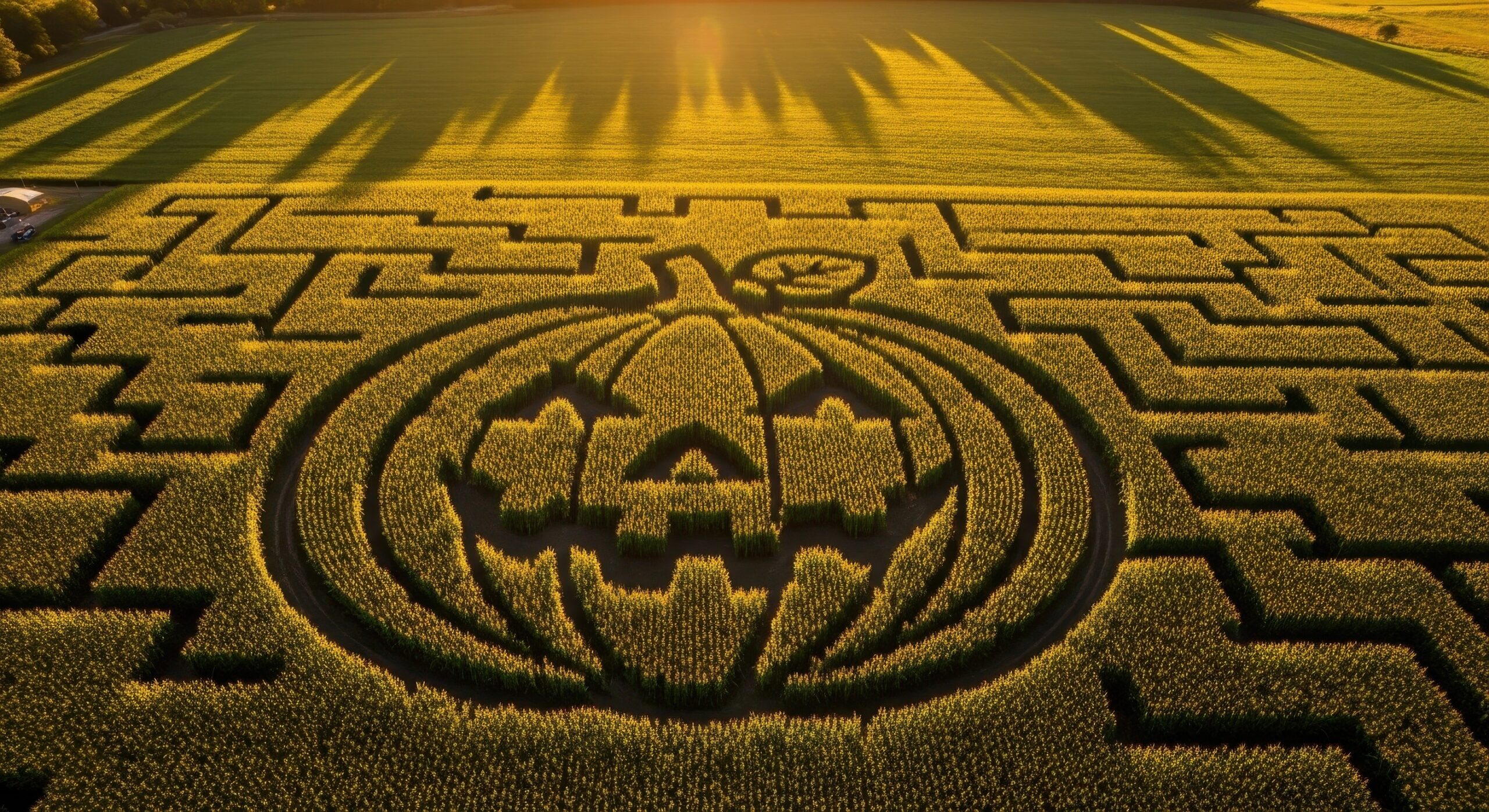
Key Takeaways
- A corn maze can generate significant revenue through careful planning and strategic design.
- Diversified income streams come from ticket sales, seasonal events, and group bookings.
- On-farm spending increases as visitors purchase food, drinks, and merchandise during visits.
- Repeat seasonal traffic builds loyalty and encourages families and groups to return yearly.
- Unique maze designs enhance brand visibility and attract local media, social networks, and guests.
- Modern tools like GPS, design software, and drones improve layout accuracy and efficiency.
- Choosing the right corn variety, field location, and planting patterns ensures safety and growth consistency.
- Marketing strategies, pricing plans, and community partnerships drive attendance and reinforce the farm’s profitability.
A corn maze can become a meaningful source of income when it is built with purpose, discipline, and a clear understanding of how visitors move, explore, and spend. For farmers, it offers a way to turn seasonal interest into steady revenue while strengthening your farm’s visibility in the community.
The value lies in making deliberate choices that support consistency, efficiency, and long-term sustainability, rather than treating the maze as a one-time attraction. When done well, it can elevate your agritourism efforts and create a reliable addition to your business model without disrupting core farming operations.
Read on to learn how to design a corn maze that maximizes impact, profitability, and long-term value for farmers.
Benefits of Corn Mazes for Farm Revenue
A corn maze can become a strong revenue source when carefully planned. Focusing on clear opportunities helps maximize profits and visitor satisfaction.
The following are ways a well-designed corn maze contributes to farm profitability:
Diversified income stream
Adding a corn maze allows farmers to generate revenue from ticket sales, seasonal events, and group outings. This approach creates multiple income channels, spreads financial risk, and ensures the farm remains profitable even during unpredictable crop seasons. It also opens opportunities for hosting private events or school field trips, further expanding earning potential.
Increased on-farm spending
Visitors attending the maze often buy food, drinks, and farm merchandise. Offering ticket deals, bundled experiences, or seasonal packages encourages guests to spend more. Longer visits increase exposure to additional farm activities, merchandise, and concessions, boosting overall earnings. Creative add-ons, like themed photo stations or gift items, can further enhance visitor spending.
Repeat seasonal traffic
Families, school groups, and community members return when the maze feels engaging and new each year. Providing a season pass, annual challenges, or rotating themes builds loyalty and incentivizes visitors to plan future visits. Repeat attendance strengthens the farm’s local reputation and encourages word-of-mouth promotion, increasing consistent traffic.
Brand visibility
A unique maze design and theme can attract attention from local media, bloggers, and social networks, increasing brand visibility. Sharing event announcements, behind-the-scenes updates, and photos of visitors helps the farm gain recognition. Increased exposure builds credibility, encourages new visitors, and establishes the farm as a trusted destination for seasonal entertainment.
A well-executed corn maze drives consistent revenue, keeps visitors returning, and enhances the farm’s reputation as a memorable seasonal attraction.
Tools, Technology, and Software for Maze Mapping
Accurate planning and execution are essential for a corn maze to function efficiently and provide a quality visitor experience. Modern tools and software simplify design work, reduce errors, and help farmers achieve consistent results across seasons.
To create a reliable layout, the following are the resources to consider:
GPS mapping
High-precision GPS tools allow corn maze layouts to align accurately with real field coordinates. This ensures paths remain straight, loops consistent, and spacing meets safety standards. GPS mapping also allows efficient scaling for larger fields, saving labor and reducing layout errors. Farmers can track field boundaries digitally, making adjustments easier as crops grow.
Design software
Using a vector design program converts artwork or maze sketches into precise, cut-ready layouts. Planners can visualize complexity, scale, and visitor routes before any cutting begins. The software enables simulations of flow patterns and decision points to ensure smooth navigation. It also allows theme adjustments digitally, reducing costly field mistakes.
Drone imaging
Aerial views monitor crop growth, path clarity, and overall field density. Drones identify weak stalks, uneven rows, or blocked lines of sight early. Farmers can plan trimming, cutting, and maintenance more efficiently with real-time images. This also helps assess the maze visually for visitor safety and overall experience quality.
Digital templates and precision tools
Equipment like RTK receivers, planting prescriptions, and Ag Leader systems guide accurate path cutting and planting alignment. These tools maintain proper spacing and uniform rows throughout the maze.
Advanced materials such as carbon nanotubes enhance sensors for precise measurements in demanding farm conditions. Using these technologies reduces human error and improves overall operational efficiency.
Many farmers choose to work with companies specializing in corn maze design, creation, and consulting services to ensure their layouts are accurate, scalable, and visually compelling. You can learn more about how expert partners assist farms and agritourism businesses in implementing these technologies efficiently. Partnering with professionals reduces errors, improves consistency, and strengthens the overall guest experience.
Choosing the Right Corn Variety and Field Location
The success of a corn maze starts with selecting the right field and corn variety. Thoughtful choices at this stage ensure strong growth, clear paths, and a safe, enjoyable experience for visitors.
To support healthy crops and a safe, enjoyable visitor experience, focus on these essential factors:
Stalk strength
Select corn varieties with tall, sturdy stalks that resist bending or breaking under foot traffic. Strong stalks maintain the structural integrity of maze walls throughout the season. This reduces maintenance needs and prevents unexpected closures due to crop damage. Durable stalks also allow for denser planting, improving the visual impact of the maze.
Plant height consistency
Uniform growth creates clear sightlines and predictable path visibility for visitors. Even height makes the maze easier to manage and safer to walk. It also improves photo opportunities and the overall aesthetic appeal of the maze. Height consistency ensures that obstacles or blind spots do not confuse or frustrate guests.
Drainage quality
Choose fields that remain dry and stable, avoiding low areas prone to water collection or mud. Well-drained soil protects corn roots and prevents slippery walking conditions. It allows machinery and staff to maintain paths safely throughout the season. Good drainage also supports consistent growth and prevents crop loss in wet weather.
Access points
Position the maze near parking and entry areas for smooth visitor flow and efficient emergency response. Convenient access reduces congestion and makes arrival and departure easier for larger groups. Thoughtful entry placement also helps with operational logistics, such as ticketing or food service setup. Clear access points improve visitor experience and encourage return visits.
Careful field and corn selection lays the foundation for a safe, visually appealing, and well-functioning maze, supporting both operational efficiency and visitor satisfaction.
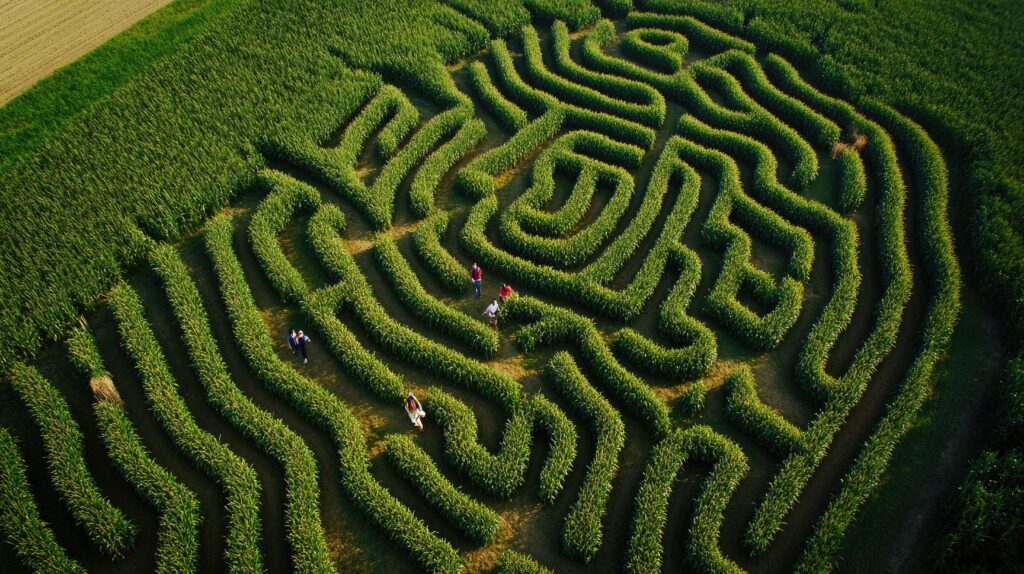
Planning Maze Goals, Themes, and Visitor Experience
Clear planning ensures your maze provides a fun, safe, and memorable experience for visitors. Defining objectives early helps you tailor the layout, challenges, and activities to match your target audience.
The following are essential elements to consider when shaping your maze:
Target audience definition
Identify who will visit your maze, such as families, teens, or school groups. Understanding age ranges and interests guides decisions about path complexity and interactive elements. It also helps determine the type of signage, themes, and engagement stations to include. Clear audience insights improve satisfaction and encourage return visits.
Difficulty level control
Decide how challenging the maze should be based on visitor expectations and time-on-site goals. Adjust path density, loops, and intersections to offer a balanced experience. Consider options like optional shortcuts or multiple exit routes to accommodate different skill levels. Proper difficulty control ensures visitors feel challenged without frustration.
Theme selection
Choose themes that connect to your farm, seasonal events, or local community interests. A consistent theme can influence path patterns, decorations, and activity stations. It also supports marketing efforts and strengthens your brand recognition. Thematic cohesion makes the maze more immersive and memorable for visitors.
Activity integration
Add interactive elements such as trivia stations, checkpoints, or small games along the route. These activities encourage exploration and keep visitors engaged throughout their visit. Incorporate challenges that complement the theme without overcrowding the paths. Thoughtful integration enhances the overall visitor experience and increases satisfaction.
Planning with these elements in mind ensures your maze is enjoyable, safe, and tailored to visitor expectations. Well-defined goals lead to smoother execution and higher visitor engagement.
Corn Maze Layout and Design Techniques
Effective maze layout shapes how visitors move and experience the attraction. Path widths must remain consistent for both safety and accessibility, preventing congestion along busy routes. Loop designs help distribute foot traffic, reducing bottlenecks and making the maze feel engaging without overwhelming guests.
To help visitors orient themselves, visual anchors such as tall stalks, themed markers, or unique signage should be strategically placed throughout the maze. These points guide guests and provide reference spots that improve confidence and enjoyment. Using recognizable cues also encourages repeat seasonal traffic, as visitors remember the landmarks from previous visits.
Decision points and controlled intersections introduce complexity while keeping the maze manageable. Offering forks, crossroads, or split paths challenges visitors without causing frustration. Thoughtful placement of these points ensures the maze stays fun and interactive for different age groups.
Furthermore, consider how guests exit the maze and connect to other farm attractions. Smooth exit flow prevents crowding and maintains a positive experience at the end of the visit. Linking the exit to nearby amenities encourages additional on-farm spending and reinforces the maze as a highlight of the farm’s offerings.
Planting, Cutting, and Maze Construction Process
Successful maze construction begins with precise planting patterns. Rows should be spaced to allow clean cutting and safe passage for visitors. Consistent planting also supports uniform growth, which strengthens stalks and ensures the maze walls are clearly defined.
Following planting, timing is critical to match your desired opening season. Coordinating growth stages helps the maze reach optimal height and density. Proper scheduling also prevents weak stalks or uneven areas that could disrupt the visitor experience.
Once the crop reaches sufficient growth, path cutting transforms the field into a navigable attraction. Mowers, trimmers, or cutters must be chosen based on field size and design complexity. Clear edges and well-defined paths keep the maze visually appealing and easy to follow.
To maintain the maze throughout the season, regular upkeep is essential. Recutting paths prevents overgrowth and ensures routes remain accessible. Consistent maintenance guarantees visitors enjoy a smooth, safe, and memorable experience from entry to exit.
Safety, Accessibility, and Risk Management
Ensuring visitor safety starts with thoughtful maze layout and emergency planning. Multiple exits should be strategically placed throughout the maze to allow quick evacuation if needed. Clear mapping of these exits helps staff guide visitors efficiently during unexpected situations.
In addition to exits, visible signage is crucial for guiding both guests and staff. Signs marking entrances, exits, staff stations, and important points create clarity and reduce confusion. Consistent signage also reinforces rules, boundaries, and expectations to help maintain a safe environment.
Lighting plays a key role in accessibility and risk reduction, especially during evening or low-light events. Solar or battery-powered lights can illuminate paths, intersections, and critical points without interfering with the natural setting. Proper lighting enhances visibility while minimizing tripping hazards and keeping guests comfortable as they move through the maze.
Complementing these measures, active staff monitoring ensures that safety protocols are enforced and issues are addressed promptly. Positioning staff at key points allows them to observe visitor flow and respond quickly to incidents. Ongoing supervision, combined with emergency protocols, signage, and lighting, creates a reliable framework that protects visitors and supports smooth maze operations.
Marketing, Pricing, and Seasonal Promotion Strategies
Effective marketing begins with clear pricing strategies that appeal to different visitor groups. Offering tiered pricing allows families, school groups, and large parties to choose packages that fit their budgets. This flexibility encourages broader attendance while maintaining revenue consistency.
In addition to pricing, seasonal promotions can drive interest and create urgency. Aligning campaigns with fall events, holidays, or local festivals keeps the maze relevant throughout its operating period. Seasonal offers, such as limited-time discounts or special event days, can boost ticket sales and increase overall attendance.
Local partnerships further strengthen marketing efforts and expand reach. Collaborating with schools, community organizations, and nearby businesses generates predictable group visits and word-of-mouth promotion. These partnerships also create opportunities for co-branded events that highlight the farming business as a community destination.
Complementing these strategies, a strong online and on-site presence ensures visibility and engagement. Sharing aerial views, behind-the-scenes clips, and visitor photos on social media builds excitement and encourages repeat visits. Clear roadside signage and informative on-farm materials capture drive-by traffic and guide guests seamlessly into the maze experience.
Final Thoughts
Corn maze design works best when agriculture, planning, and visitor experience align. Each stage, from field choice to marketing, plays a specific role in long-term success. When you structure your process carefully, your maze becomes more than a seasonal feature. It becomes a stable, repeatable farm asset that grows year after year.